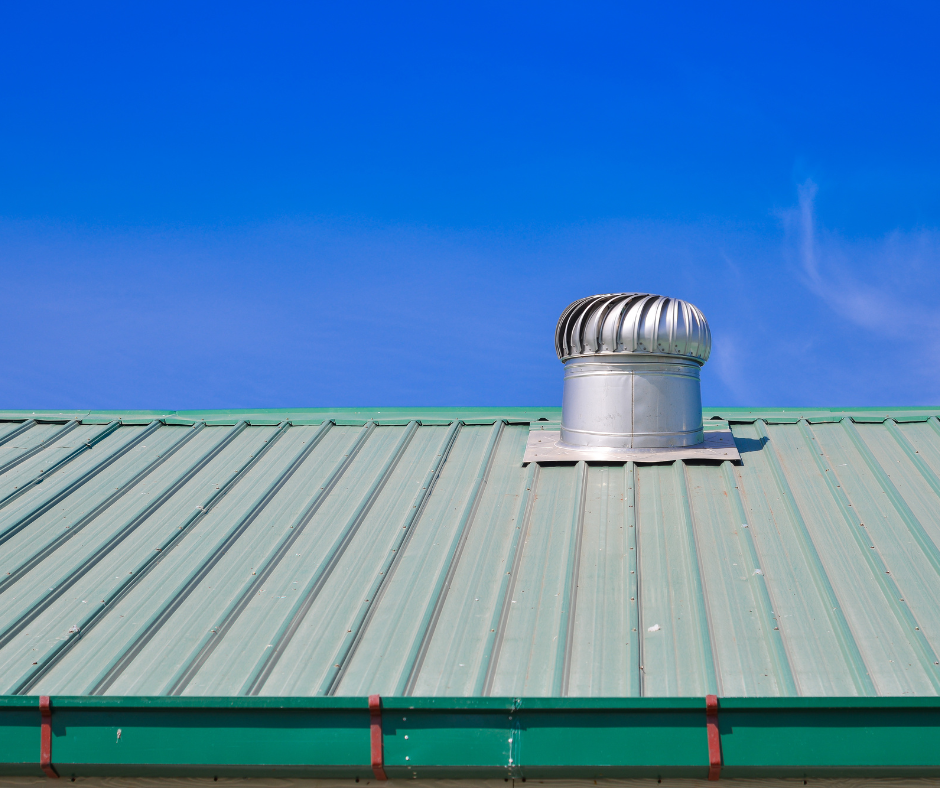
When you think about metal roofing Auckland wide, it’s easy to focus on leaks, storms, and durability. But your roof also has a quiet, everyday job: helping keep your home comfortable to live in. Heat build-up in summer, cold rooms in winter, condensation, and musty smells in the ceiling space are all tied to what’s happening above your head.
The good news is that metal roofing, when combined with the right ventilation and insulation, can actually improve comfort rather than making your home hotter or noisier. The key is understanding how all the pieces work together.
What Role Does Your Roof Really Play in Everyday Comfort?
Most of the time, people blame their heat pump or lack of air conditioning when the house doesn’t feel right. But the roof and ceiling space are doing a lot of the heavy lifting behind the scenes.
On a hot day, the roof takes the full force of the sun. If heat is trapped in the roof space with nowhere to go, it radiates down into the rooms below and makes the whole house feel stuffy and oppressive. In winter, warm indoor air can rise into the roof space and, if the ventilation is poor, turn into condensation that drips back onto insulation or framing. Over time, that can affect both comfort and the health of the building.
A well-designed metal roof with sensible ventilation helps manage these temperature and moisture swings so your living areas don’t cop the worst of it.
Does Metal Roofing Automatically Make a House Hotter?
A common belief is that metal roofs make houses hotter. People imagine baking under a sheet of metal in the sun. In reality, the situation is more nuanced.
Metal roofing reacts quickly to the sun, but it also cools quickly once the direct heat eases. Lighter colours can reflect a good amount of solar energy, and modern coatings help manage heat absorption. What really determines how hot or cool your home feels is the combination of roof colour, roof ventilation, insulation, and ceiling construction.
If a metal roof is installed with no thought given to those other factors, the house may run warm in summer. But if the roof space can breathe, and there’s a proper layer of insulation between the roof space and your rooms, metal roofing can be part of a very comfortable home. The problem is usually not the metal itself, but trapped heat with nowhere to go.
How Does Roof Ventilation Work with Metal Roofing?
Roof ventilation is about moving hot, moist air out of the roof space and allowing cooler, drier air to come in. With metal roofing, this is especially important because the smooth surface and tight construction can otherwise seal heat in very effectively.
Good ventilation relies on two basic ideas: air needs a way in, and it needs a way out. Eaves vents, ridge vents, and roof ventilators like whirly birds are common ways to achieve this. As hot air rises and escapes through the upper vents, cooler air is drawn in from lower points, setting up a gentle, continuous flow through the roof space.
Under a metal roof, this airflow helps strip out the worst of the heat build-up on hot days and clear moisture that might otherwise sit on framing, insulation, or the underside of the roofing. The result is a more stable, balanced environment above your ceiling.
Can Whirly Birds Really Make a Difference Under a Metal Roof?
Whirly birds, or roof ventilators, are a simple mechanical way to encourage air movement through the roof space. As the wind turns the ventilator, it draws hot, stale air out from under the roof. With metal roofing, where the roof space can heat up quite quickly, that extraction can make a noticeable difference.
They’re not air conditioning and they won’t magically fix deeper insulation problems, but in combination with a well-installed metal roof and decent ceiling insulation, whirly birds can help reduce peak temperatures in rooms directly under the roof. They also help reduce moisture build-up, which is important over winter when warm indoor air meets cold surfaces in the roof space.
The key is placing them in sensible positions and treating them as part of a wider ventilation plan, not just as a random add-on.
What About Moisture, Condensation, and Mould in the Roof Space?
Comfort is not just about temperature; it’s also about humidity and air quality. In cooler months, warm, moist air from bathrooms, kitchens, and everyday living can drift up into the roof space. If that air hits cold metal or other cold surfaces and can’t escape, it condenses into water droplets.
Over time, this can dampen insulation, stain ceiling linings, and create the kind of conditions where mould and mildew thrive. That’s not just bad for the house; it can also affect the air you end up breathing.
Metal roofing is particularly sensitive to this because the metal surface cools quickly. Without ventilation, condensation can form on the underside of the roof sheets. When the roof space is allowed to breathe properly, moisture has a chance to escape before it becomes a problem. Paired with the right underlay and insulation, roof ventilation goes a long way towards keeping your home drier and healthier.
How Do Insulation and Metal Roofing Work Together?
Insulation is the barrier that sits between the conditions in your roof space and the rooms you live in. With metal roofing, that barrier is crucial. It slows down heat transfer in both directions, helping keep warm air inside during winter and hot roof-space air out during summer.
If a metal roof is installed over a ceiling with thin or patchy insulation, you’ll feel it. The rooms below will track the extremes in the roof space more closely. On the other hand, if you pair a good metal roof with properly installed, continuous insulation, the difference indoors can be dramatic.
This is why many Auckland homeowners choose to upgrade insulation when they reroof. It’s easier to address both layers at once, and you end up with a roof system that works together: metal roofing to shed weather, ventilation to balance the roof space, and insulation to keep living areas steady and comfortable.
Can Better Roof Design Help with Energy Costs?
When your roof and roof space are working well, your heating and cooling systems don’t have to work as hard. On a hot day, a ventilated, insulated metal roof can keep upstairs rooms significantly cooler than an old, poorly ventilated roof. On cold days, a properly insulated ceiling helps keep the warmth where you want it, instead of letting it drift into a cold, damp roof space.
Over time, that means you’re less reliant on running heat pumps or portable heaters at full blast for long periods just to feel comfortable. While metal roofing alone won’t halve your power bill, treating the roof as part of your overall comfort and energy plan can reduce everyday running costs and make your home feel more stable across the seasons.
When Should You Talk to a Roofer About Ventilation as Well as Roofing?
If you’re already planning a metal reroof, that’s the perfect time to think about ventilation and insulation. The roof will be open, access is easier, and changes can be built into the job rather than bolted on later. You can discuss options for whirly birds, eaves vents, ridge vents, underlay, and insulation upgrades at the same time as profiles and colours.
Even if you’re not ready to reroof yet, it can be worth asking a roofing specialist to assess the ventilation in your roof space. Signs like hot, stuffy rooms under the roof, condensation on windows, musty smells from the ceiling, or mould spots on ceilings are all clues that something above the plasterboard isn’t working as it should.
A small change in ventilation, combined with minor insulation improvements, can sometimes make a big difference to how comfortable your home feels day to day.
Where Can You Learn More About Metal Roofing Choices for Auckland Homes?
If you’re still weighing up whether metal roofing is the right choice, it can help to see how it compares with other options first. The previous article in this series, “How Do Metal Roofs Compare to Tile Roofs in Auckland?” (Blog 5), looks at weight, drainage, noise, and appearance so you can understand the trade-offs.
If you’re now thinking about how the roof and drainage work together, “Why Should You Consider Gutters and Downpipes When Installing a Metal Roof in Auckland?” (Blog 7), explains why your gutters and downpipes are just as important as the roofing material when it comes to protecting your home and avoiding future headaches.
Why Should You Consider Gutters and Downpipes When Installing a Metal Roof in Auckland?
When people talk about metal roofing Auckland wide, most of the focus is on the sheets, colours, and profiles. But there’s another part of the system that quietly decides how well your roof really performs: the gutters and downpipes. A metal roof can move a lot of water very quickly. If the drainage can’t keep up, you can still end up with leaks, overflow, and damage around the house, even if the roofing itself is brand new.
So if you’re planning a metal reroof or new build, why should gutters and downpipes be part of the same conversation, rather than something you look at later?
How Does a Metal Roof Change the Way Water Moves Off Your House?
Metal roofing is smooth and non-porous. When it rains, water doesn’t soak into the roof surface; it flows straight down the sheets and into the gutters. Long run metal roofing, in particular, uses continuous sheets from ridge to gutter wherever possible, which means fewer obstacles and joins. The result is fast, concentrated water flow at the eaves.
On an older tile or rougher surface, water takes a slightly slower, more broken path. Some is absorbed, some hangs around in small hollows, and some drips off the edges at different points. When you switch to metal, all that water tends to hit the gutters in a stronger, more continuous stream.
If the gutters and downpipes were only just coping before, that increase in flow can push them over the edge – sometimes literally.
What Happens When Gutters and Downpipes Can’t Keep Up?
When gutters and downpipes are undersized, poorly placed, or past their best, they struggle under heavy Auckland rain. Instead of carrying water safely away, they overflow or leak at their weakest points. On a house with a new metal roof, that can be frustrating – the roof itself is doing exactly what it should, but the drainage system can’t handle the volume.
Overflowing water can:
- Spill over the front of the gutter and soak paths, decks, and entrances
- Run down cladding and windows, leaving stains and streaks
- Pool near foundations, increasing dampness around the base of the house
In more severe cases, water can back up under the roof edge, finding its way into eaves linings and wall cavities. Over time, that leads to swelling, rot, mould, and, in some cases, structural damage. All of it is the kind of slow, expensive problem most homeowners are trying to avoid by upgrading their roof in the first place.
How Do Correctly Sized Gutters and Downpipes Protect Your Home?
Gutters and downpipes are there to catch and direct water, not just to finish off the look of the roof. When they’re sized correctly for the roof area and rainfall, they give that fast-moving water from your metal roof somewhere safe to go.
On a well-designed system, the roof, gutters, and downpipes work together. Water runs down the metal sheets, drops into gutters that are set to the right fall, and then moves efficiently through adequately sized downpipes to the stormwater system or an approved discharge point. There’s no need for water to sit around or guess which way to go; the system makes the decision for it.
When you get this right, heavy Auckland downpours come and go without you thinking twice. That peace of mind is one of the biggest benefits of treating drainage as part of the roofing package rather than an afterthought.
Why Is It Smart to Upgrade Gutters and Downpipes During a Metal Reroof?
If you’re already investing in metal roofing, it makes sense to look at gutters and downpipes at the same time. The scaffolding or edge protection is likely already in place, access is better, and the roofing team is right there at the roof edge.
Doing it all in one go allows you to:
- Adjust the falls on existing gutter runs so water doesn’t sit in low spots
- Add or move outlets and downpipes to match how water actually flows
- Replace old, rusted, or tired gutters that don’t suit the new roof
Trying to sort this out later, after the roof is on and the site is packed up, usually takes more time and effort. You might need additional access equipment, and the roofer has to work around a finished roof instead of integrating everything as one system. From both a cost and a quality point of view, it’s almost always better to plan gutters and downpipes as part of the reroof.
How Do Roof Shape and House Design Affect Gutter and Downpipe Layout?
Not all roofs are created equal. Some Auckland homes have simple, straight gable roofs; others have multiple hips, valleys, and intersecting sections. Large roof areas can dump a surprising amount of water into a single point if the layout isn’t considered carefully.
With metal roofing, it’s important to think about where water naturally wants to gather. Valleys and internal corners concentrate flow. Long roof runs can feed a lot of water into a short length of gutter. Multi-storey homes may have upper roofs discharging onto lower roofs before water ever reaches a gutter.
A thoughtful gutter and downpipe plan looks at all of this. It asks questions like:
- Where is the heaviest water load going to land?
- Are there enough outlets to relieve that pressure?
- Do downpipes line up with sensible drainage points at ground level?
By answering those questions before installation, you avoid situations where a beautifully installed metal roof feeds into a single, overwhelmed downpipe in a corner.
Can Good Drainage Help Reduce Maintenance and Repair Bills?
A lot of long-term roof problems don’t come from the roofing material itself, but from what’s happening at the edges. Blocked gutters, undersized downpipes, and poorly directed discharge create a constant cycle of overflow and dampness. Even the best metal roof can’t make up for that.
When gutters and downpipes are designed and maintained properly, water doesn’t get the chance to misbehave. It leaves the roof quickly, moves away from the house, and stays off surfaces that don’t like staying wet. That means fewer repairs to fascia boards, eaves linings, paths, and painted walls. It also reduces the risk of water finding its way inside during storms or backing up into places it was never meant to reach.
In simple terms, good drainage supports the investment you’ve made in the roof by protecting everything under and around it.
What Should You Talk to Your Roofer About Before Work Starts?
If you’re planning metal roofing in Auckland, it’s worth asking your roofer specific questions about gutters and downpipes rather than assuming they’ll stay as they are. Ask how your current system is performing, whether there are any obvious weak points, and what they recommend in terms of gutter profiles, sizes, falls, and downpipe numbers.
You can also point out any existing problems you’ve noticed: regular overflow at certain points, staining down walls, damp areas near the base of the house, or spots where water seems to “jump” the gutter in heavy rain. These real-world clues help your roofer design a drainage setup that matches how your home actually behaves in bad weather, not just how it looks on paper.
Spending a little extra time at the planning stage can save many years of frustration chasing water around the property.
Where Can You Learn More About How Metal Roofing Works as a System?
If you’re interested in comfort as well as protection, it helps to see how roofing, ventilation, and drainage all connect.
The previous article in this series, “Can Metal Roofing and Ventilation Keep Auckland Homes More Comfortable?” (Blog 6), explains how metal roofing works with insulation and roof ventilation to manage heat and moisture above your ceilings.
If you’re starting to wonder whether your current roof is worth saving, the next article, “When Is It Time to Reroof with Metal in Auckland?” (Blog 8), looks at the signs that repairs are no longer enough and how switching to a metal reroof – together with a proper gutter and downpipe setup – can give you a more reliable, long-term solution.